
This Path Can Make Things Easier If…
Practical steps, one at a time.
- A home needs to be prepared for sale during a major life change
- The property is part of an estate, probate, or downsizing move
- You are unsure which repairs are worth doing
- You need help coordinating cleanout, repairs, and staging
- You are managing the process from out of state

Several Decisions Arrive at Once
Preparing a longtime family home for sale usually means handling belongings, repairs, timing, and hard family decisions at the same time. This guide sets out the steps and the mistakes that tend to cost the most.

Understanding What Preparation Actually Matters
How to weigh repairs, updates, cleanout, safety issues, and market readiness before selling.
Learn More
Deciding Whether Repairs Are Worth Doing
When repairs, updates, or improvements may help the sale, and when they may add cost and stress without paying off.
Learn More
Cleaning Out & Organizing the Home
Sorting belongings, estate cleanout, donations, and preparing the property in stages.
Learn More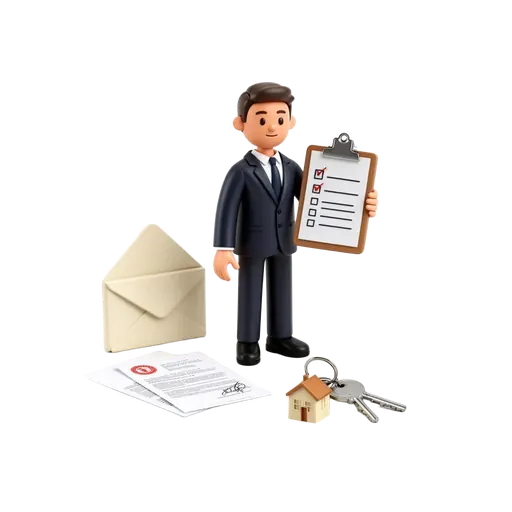
Preparing an Inherited or Estate Property
Probate, inherited homes, executor coordination, occupancy, valuation, and family communication.
Learn More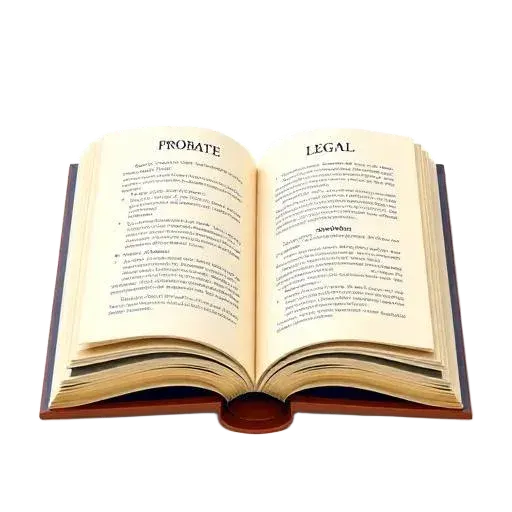
Understanding As-Is vs Prepared Sales
How the level of preparation may affect timing, effort, convenience, and marketability.
Learn More
Building a Support Team
How real estate professionals, appraisers, estate liquidators, move managers, contractors, attorneys, and advisors can share the work.
Learn MoreWhat Gets in the Way
Common Challenges Families Face
Each of these has a practical first step.
Emotional attachment to the home
A home lived in for decades carries memories, and that slows some decisions down. Allow extra time for those.
Feeling overwhelmed by belongings
Work in short sessions, one room or one category at a time.
Family disagreements
A written plan and shared expectations typically reduce friction.
Deciding what repairs are worthwhile
Not every repair adds value. A real estate professional can say which ones are likely to pay off.
Time pressure
Timelines are often more flexible than they first appear, and a short pause to plan often saves time later.
Caregiver stress
Noticing burnout early can head off larger problems for the family and the property.
Uncertainty about property value
A certified appraisal or a market analysis gives the family a figure to work from instead of a guess.
Occupancy concerns
Vacant or partially occupied homes need active care, insurance, and a clear plan.
Coordinating inherited property decisions
Authority, valuation, and family alignment usually come before preparation begins.
Fear of making costly mistakes
Many costly mistakes can be avoided by getting advice before spending money.
Educational Compass
Many People Don't Know What Questions to Ask
It is often unclear how much preparation is needed, which repairs matter, or how valuation connects to the decisions ahead.
Families Often Need to Consider:
- Property condition
- Safety concerns
- Repairs and updates
- Cleanout and organization
- Downsizing support
- Valuation and market conditions
- Family communication
- Occupancy issues
- Timing considerations
- Building a support team
Avoid These Pitfalls
Common Mistakes to Avoid
Mistakes that come up often, and how to avoid them.
Spending too much on unnecessary repairs
Many updates do not return their cost. A professional opinion helps prioritize.
Delaying decisions because the process feels overwhelming
Small, steady steps usually move things forward faster than waiting for clarity.
Throwing away important belongings too quickly
Go through the house carefully for sentimental and valuable items before anything is thrown out.
Ignoring safety or maintenance concerns
Roof, water, and security issues compound quickly when left unaddressed.
Guessing the property's value
A certified appraisal gives the family a documented value to base decisions on.
Failing to coordinate family communication
When family members are not kept informed, disagreements become more likely.
Waiting too long to seek professional guidance
Getting advice early can head off bigger problems later.
Trying to handle everything alone
Sharing the work with a small, coordinated team usually makes it more manageable.
Common Questions
Questions Families Often Ask

Keep Going
Where to Go Next
Related guides on selling, downsizing, valuation, and executor duties.
What To Do With the House
A guided decision roadmap for the home.
ContinueSelling an Inherited Home
How estate sales differ from ordinary listings.
ContinueDownsizing & Preparing for a Transition
Organizing belongings and planning the move.
ContinueDate-of-Death Valuation & Property Appraisals
Understand how valuation supports estate decisions.
ContinueExecutor Responsibilities & First Steps
A first-step roadmap for executors and families.
ContinueSimple Next Steps
An Action Plan in Five Steps
- 1Understand the property's condition and transition needs
- 2Decide what preparation may actually be worthwhile
- 3Organize belongings in stages
- 4Build a support team
- 5Take the work one step at a time
You Are Not Alone
Common Challenges Families Face
Naming what's hard often makes it easier to move forward.
Deciding whether repairs are worthwhile
Not every repair adds value. A professional opinion clarifies what truly matters.
Organizing belongings
Working room by room, in small sessions, usually feels more manageable.
Property maintenance and security
Vacant homes need active care, insurance review, and a clear monitoring plan.
Avoid These Pitfalls
Common Mistakes to Avoid
Naming what often goes wrong makes it easier to plan well.
Spending too much on unnecessary repairs
Many updates do not return their cost. Prioritization is essential.
Ignoring insurance and maintenance issues
Vacant property coverage, security, and basic upkeep protect the eventual sale.



Professional Disclosure
Real Property Planning is an educational and connection hub. It does not provide legal, tax, accounting, financial, brokerage, or appraisal services. Professionals referenced on this site are independently licensed and operate through their own separate businesses. Real estate brokerage services are provided by David Stein, a licensed Washington broker, through eXp Realty. Appraisal services are provided by David Stein through Stein Appraisal. Read the full disclaimer.