
Getting the House Ready
The short answer
The house doesn't need to be perfect. Clear it out, see what it needs, and fix only what pays off: safety items and anything an inspection or a lender will flag.
What to do now

Clear out the belongings
Family takes keepsakes first, then an estate sale, donation or haul-away.
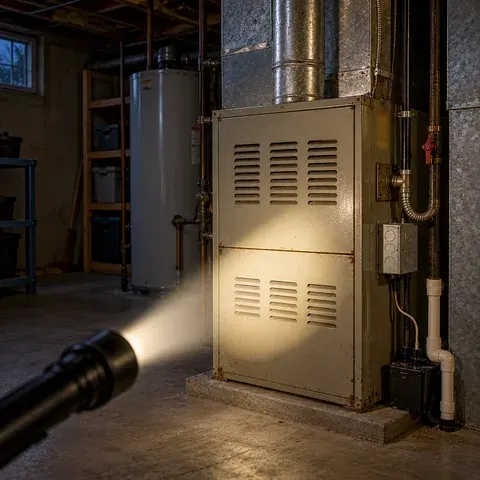
Walk through and list what it needs
Safety issues, worn systems like the roof and furnace, and cosmetic wear.

Fix what pays, skip the rest
Fresh paint and clean carpets usually pay off. Big remodels usually don't.
Getting the Property Ready Without Overdoing It
Most estate homes need some work before they're listed. The question is how much. Money spent on the wrong things often doesn't come back at closing, and skipping the right things can lower the price by more than they would have cost.
Every Estate Property Is Different
Some estate homes are ready to show. Others hold decades of belongings, repairs that were put off for years, and a roof or furnace near the end of its life. Most fall somewhere in between.
The aim isn't a perfect house. It's a house buyers can see clearly and that supports the asking price, without spending more on preparation than the sale will return.
Step 1: Cleanout and Estate Liquidation
The house usually has to be emptied before anyone can judge its condition. This step tends to take longer than families expect, and it is hard work, physically and otherwise.
Options for the contents:
- Family distribution: heirs take items of personal or sentimental value. Do this before any estate sale or liquidation.
- Estate sale: an estate sale company sells what remains and usually keeps a percentage of the proceeds.
- Donation: items with no resale value can go to local charities.
- Disposal: whatever is left is hauled away.
An estate liquidation company can handle all of this, from sorting to the sale to the final haul-away. Real Property Planning's Find a Professional page lists an independent estate liquidation service you can contact directly.
Step 2: Assess the Property's Condition
Once the house is empty, its real condition shows. Walk through it, ideally with a real estate professional who regularly sees estate homes, and list:
- Safety or habitability problems: fix these whether or not the house is being sold.
- Deferred maintenance: the age and condition of the roof, heating, plumbing and electrical systems.
- Cosmetic condition: paint, flooring, fixtures and landscaping.
- Likely inspection items: what a buyer's inspector will probably flag, and whether to deal with it before listing.
Step 3: Decide What's Worth Fixing
Families go wrong in both directions here. Some pay for upgrades that don't return their cost; others fix nothing and accept a lower price than they needed to.
General guidance:
- Fix safety problems, obvious deferred maintenance, and anything that will come up in inspection or get in the way of a buyer's financing.
- Consider inexpensive cosmetic work, such as fresh paint, cleaned carpets and tidier landscaping, which usually pays for itself.
- Skip major renovations, kitchen or bathroom remodels, and changes that reflect personal taste. Buyers of estate homes expect to do some updating and price their offers accordingly.
A broker who regularly sells estate property can walk through the house and tell you what matters before any money is spent.
Occupancy and Safety Considerations
If someone still lives in the house, such as a surviving spouse, a caregiver or another relative, the timeline has to allow for them and their rights have to be respected. Talk with the estate's attorney before setting a listing date.
An empty house has its own risks:
- Insurance: many homeowners policies limit coverage once a house has been vacant for a set period. Tell the insurer the house is empty and ask about a vacancy endorsement or a vacant-property policy.
- Security: empty houses attract theft and vandalism. Check on the house regularly, secure the locks, and consider a monitored alarm.
- Utilities: keep the heat, water and power on at levels that protect the house, especially in winter, when a frozen pipe can do serious damage.
Finding Help
Find a Professional lists independent professionals, including an estate liquidation service and the site's featured broker. You contact and hire them directly, and you're free to choose anyone.
The information on this page is for general guidance only and does not constitute legal, tax, or financial advice. Please consult qualified professionals for guidance specific to your situation.